|
COMMUNICATIONS PLAN
Ensure members are consistently well-informed about current events and information about the Nation.
ECONOMIC DEVELOPMENT PLAN
Nuchatlaht is interested in generating more community revenues and creating employment opportunities for community members.
We are also interested in becoming more self-sufficient and would like to provide community members living off-reserve with opportunities to move back. COMPREHENSIVE COMMUNITY PLAN
The Comprehensive Community Plan is the expression of the Nuchatlaht people and leadership on what we see as of paramount importance for moving ahead into the future.
LANGUAGE REVITALIZATION PLAN
Although knowing our Nuchatlaht dialect has been difficult with so many components working against members understanding of the language, we want to revitalize it.
We want a growing amount of language resources ranging from books, to teachers, to buildings. TSUNAMI PREPAREDNESS PLAN
Nuchatlaht Tribe’s tsunami preparedness and response is very quick, well equipped, well informed, communicates with the necessary people and organizations, organized, and most importantly, results in everyone surviving tsunamis.
STRATEGIC PLAN
Our strategic plan outlines our vision for the future. Highlighting our Strengths, Weaknesses, Opportunities, and Challenges.
|
NATION UPDATES
UPCOMING EVENTS & OFFICE CLOSURES CALENDAR
3-MONTH PERIOD
Oct 15, 2025
3-MONTH PERIOD
Oct 15, 2025
October 2025
SUN |
MON |
TUE |
WED |
THU |
FRI |
SAT |
28 |
29 |
30 OFFICE CLOSED NTR Day |
1 |
2 |
3 HALF FRIDAY Hours: 8:30AM to 12:00PM |
4 |
5 |
6 |
7 |
8 |
9 |
10 |
11 |
12 |
13 OFFICE CLOSED THANKSGIVING |
14 |
15 |
16 |
17 HALF FRIDAY Hours: 8:30AM to 12:00PM |
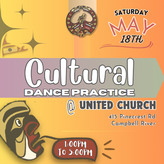
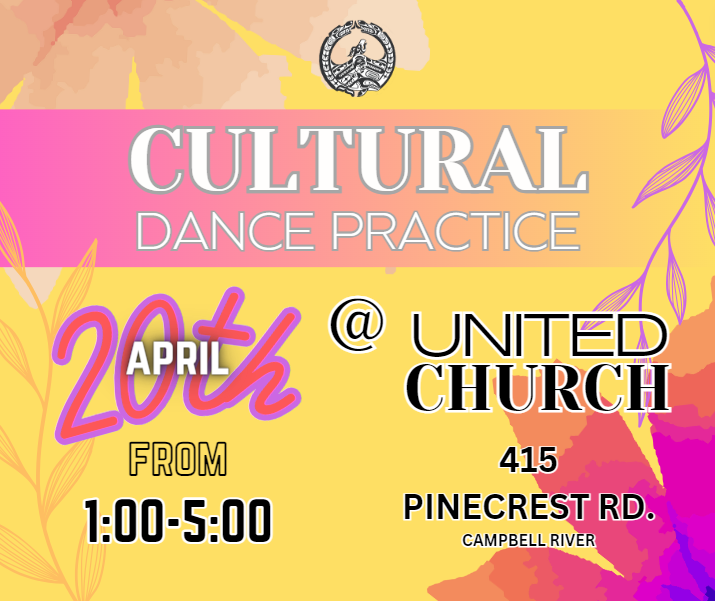
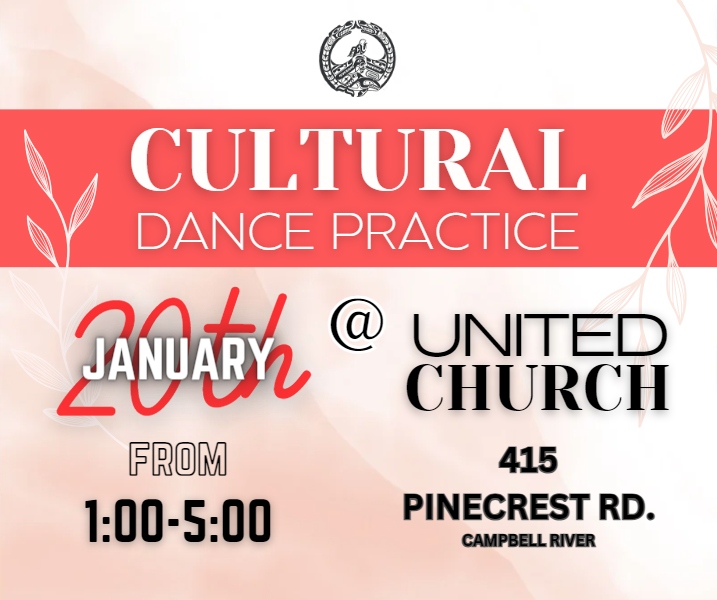
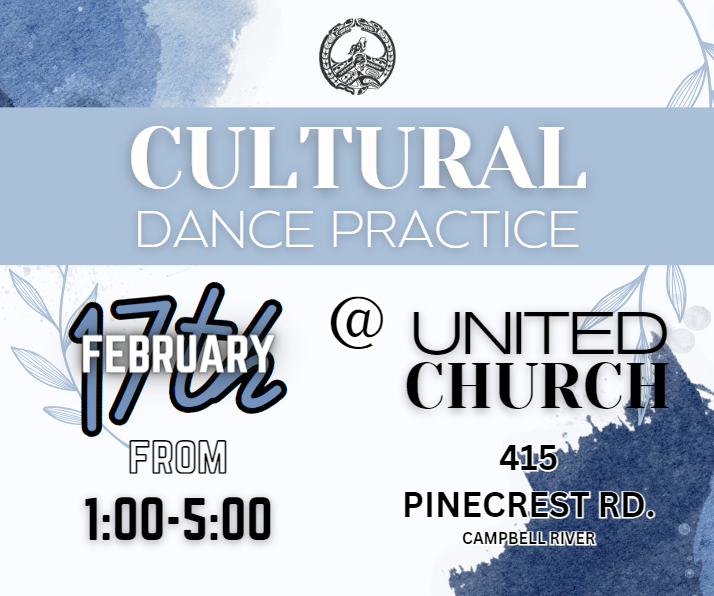
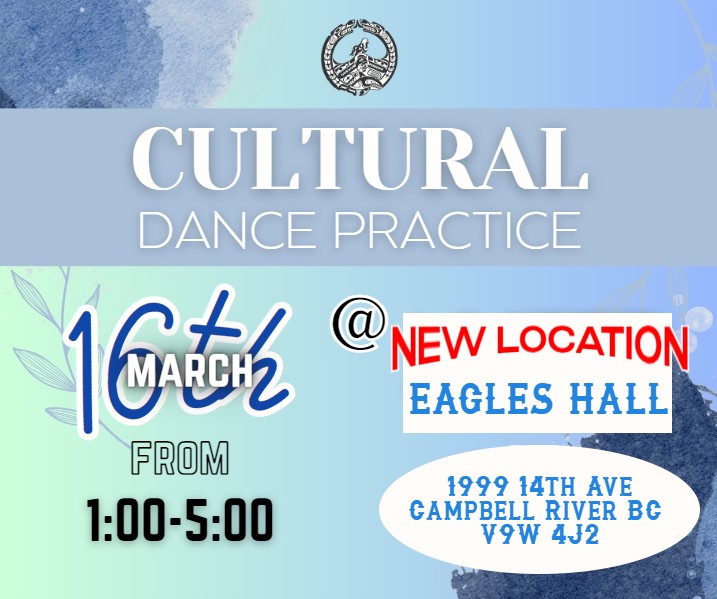
18 CR DANCE PRACTICE |
19 |
20 NUCHATLAHT RALLY & DINNER |
21 |
22 |
23 |
24 |
25 |
26 |
27 |
28 |
29 |
30 |
31 HALF FRIDAY Hours: 8:30AM to 12:00PM |
1 |
Blank Date = Regular Office Hours: Open from 8:30AM to 4:30PM. Monday to Friday (Unless otherwise noted)
NOVEMBER 2025
SUN |
MON |
TUE |
WED |
THU |
FRI |
SAT |
26 |
27 |
28 |
29 |
30 |
31 |
1 |
2 |
3 |
4 |
5 |
6 |
7 |
8 |
9 |
10 |
11 OFFICE CLOSED REMEMBERANCE DAY |
12 |
13 |
14 HALF-SCHEDULED Office Hours: 8:30AM to 12:00PM |
15 |
16 |
17 |
18 |
19 |
20 |
21 |
22 |
23 |
24 |
25 |
26 |
27 |
28 HALF-SCHEDULED Office Hours: 8:30AM to 12:00PM |
29 |
30 |
|
|
|
|
|
|
Blank Date = Regular Office Hours: Open from 8:30AM to 4:30PM. Monday to Friday (Unless otherwise noted)
DECEMBER 2025
SUN |
MON |
TUE |
WED |
THU |
FRI |
SAT |
30 |
1 |
2 |
3 |
4 |
5 |
6 ANNUAL CHRISTMAS DINNER UNITED CHURCH |
7 |
8 |
9 |
10 |
11 |
12 HALF-SCHEDULED Hours: 8:30AM to 12:00PM |
13 |
14 |
15 |
16 |
17 |
18 |
19 |
20 |
21 |
22 OFFICE CLOSED |
23 OFFICE CLOSED |
24 OFFICE CLOSED |
25 OFFICE CLOSED |
26 OFFICE CLOSED |
27 |
28 |
29 OFFICE CLOSED |
30 OFFICE CLOSED |
1 OFFICE CLOSED |
2 OFFICE CLOSED |
3 OFFICE CLOSED |
4 |
Blank Date = Regular Office Hours: Open from 8:30AM to 4:30PM. Monday to Friday (Unless otherwise noted)
OFFICE CLOSED WINTER BREAK: DEC 22- JAN 5
nuchatlaht press release october 2025 court case appeal
NUCHATLAHT APPEAL OF PRECEDENT SETTING ABORIGINAL TITLE DECISION TO BEGIN OCTOBER 20th
October 15, 2025
In 2017 Nuchatlaht brought a claim for Aboriginal title over approximately 200 square kilometers of their traditional territory on Northern Nootka Island. Nuchatlaht’s claim was within all known maps of Nuchatlaht territory, excluded any claimed territory by other First Nations, and excluded any privately owned lands.
On April 17, 2024, following a 55-day trial, Nuchatlaht were awarded Aboriginal title to approximately 12 square kilometers. This October 20th to 23rd Nuchatlaht will be in Vancouver at the B.C. Court of Appeal to argue that they should be awarded the remaining lands claimed.
The Nuchatlaht declaration pales in comparison to recent acknowledgements of Aboriginal title. The 2024 Haida Aboriginal title agreement between the Haida Nation and B.C. Government acknowledged Haida Aboriginal title over 10,000 square kilometers, and the 2014 Tsilhqot’in decision saw a declaration of Aboriginal title over 1,900 square kilometers.
“We’re fighting for our lands to do better. We’ve watched the Province mismanage our forests, our rivers. This mismanagement hurts our salmon, it hurts our villages, it hurts our people.” said Nuchatlaht Councilor and Elder Archie Little.
Nuchatlaht had the shortest Aboriginal title trial since the Calder decision of the 1960s and stands in contrast to the Cowichan Nation and Tsilhqot’in trials, which at over 500 and 300 days long were the most expensive trials in Canadian history. “This appeal is an opportunity for the court to move reconciliation forward, with a declaration of title to territory.” Said lawyer Jack Woodward “this shouldn’t take record setting trials.”
During the trial, the court was presented with a wide range of evidence, including two of the largest archaeology sites in Vancouver Island, unilingual elder recordings and Captain Cook’s own observations of the inhabitant of Nootka Island; “I must observe that I have no were met with [peoples] who had such high notions of every thing the Country produced being their exclusive property as these”.
The trial judge declined to find Aboriginal title to large areas claimed by Nuchatlaht, despite the existence of thousands of Indigenous archaeological artefacts. “I’ve hiked through our forests. There’s signs of our people everywhere. Everywhere you look you find CMTs.” said Tyee Ha'wilth (Chief) Jordan Michael. “This past summer we found carvings on our title lands.”
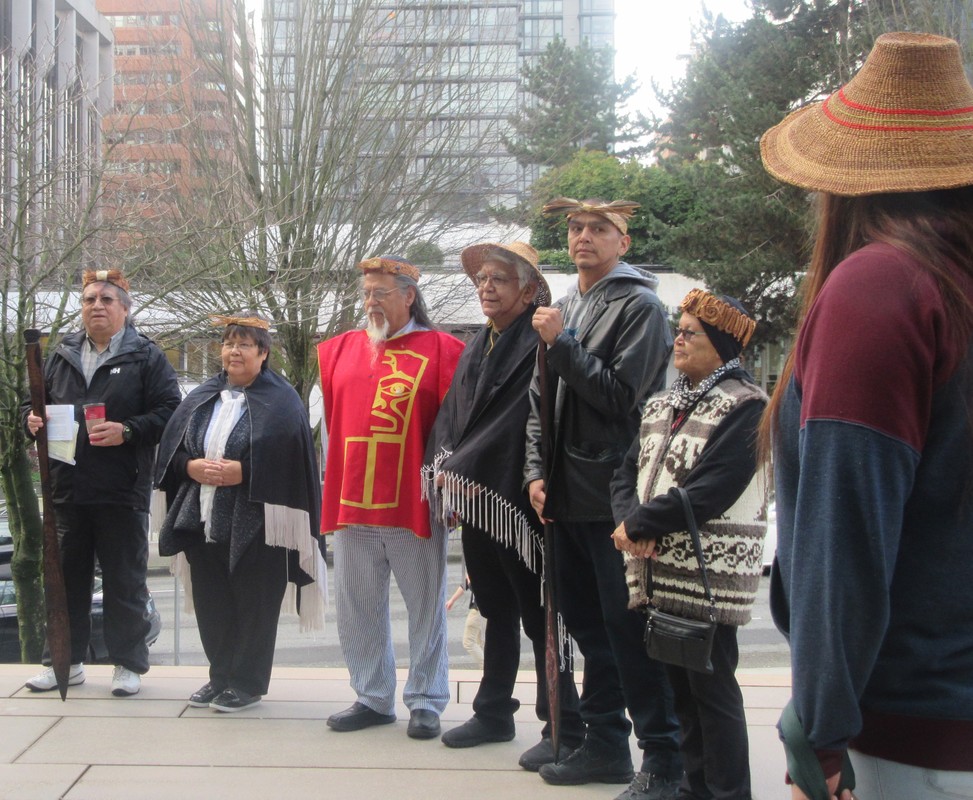
A rally in support of Nuchatlaht is expected at the courthouse steps the morning of October 20. Nuchatlaht are joined in the appeal by interveners Dzawada’enuxw First Nation, Tseshaht First Nation, shishalh First Nation, Mowachaht-Muchatlaht First Nation, Cowichan Nation and Ehattesaht First Nation.
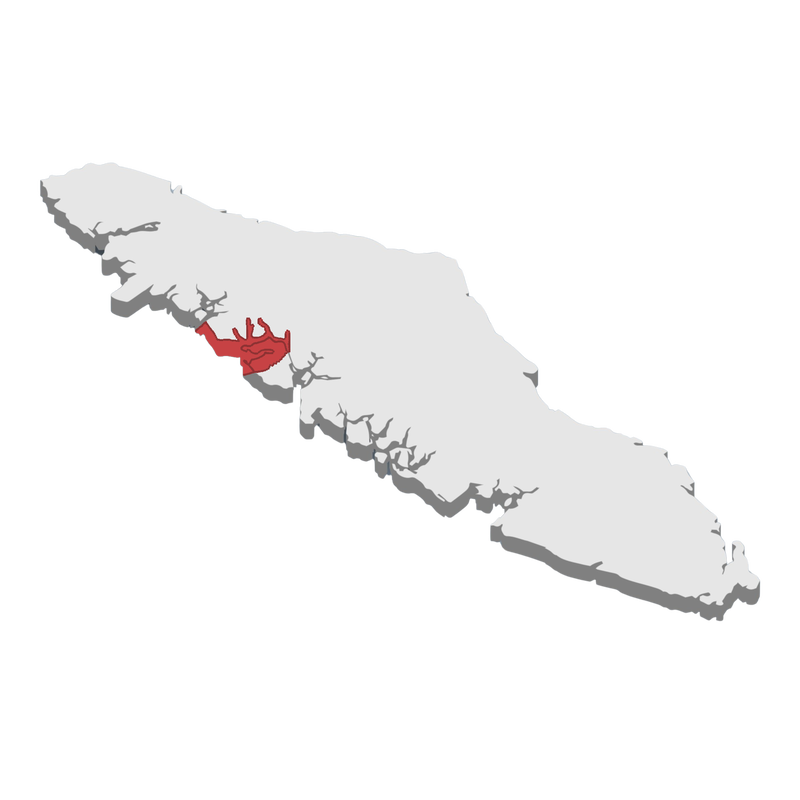
Nuchatlaht are a Nuu-chah-nulth First Nation, from the west coast of Vancouver Island. Nuchatlaht have always lived on Nootka Island. They were there when Captain Cook sailed past in 1778, and nearly 100 years later, when Captain Richards steamed by in 1862. In 1988, they were forced to relocate to the mainland of Vancouver Island.
In the 1800s, the Canadian government signed treaties to extinguish Aboriginal title to all the land between Fort St. John and Toronto. The B.C. government had no money for treaties, and so Aboriginal title in most of B.C. was never extinguished. That continues for most of B.C. today. Nuchatlaht, Tsilhqot’in and Cowichan Nation are the first three B.C. First Nations to have court recognized Aboriginal title.
A Victory Worth Celebrating
Since the trial decision and with their partial declaration of Aboriginal title, Nuchatlaht have not been idle.
In July, Nuchatlaht hosted an international Indigenous gathering of Maori and Hawaiian representatives. The largest event on their lands since the trial victory, over 60 people gathered in a pan-Pacific Indigenous knowledge and kinship exchange and celebration.
Nuchatlaht have been busy surveying the damage done to the lands under the Province’s management. Most of Nuchatlaht’s traditional territory has been previously logged. They have built trails and an access road allowing them to visit their historic village. This past year saw the first Nuchatlaht houses on Nootka Island in 40 years.
Contact:
EJ Woodward Law: 778-348-2356
Nuchatlaht: 250-332-5908
In 2017 Nuchatlaht brought a claim for Aboriginal title over approximately 200 square kilometers of their traditional territory on Northern Nootka Island. Nuchatlaht’s claim was within all known maps of Nuchatlaht territory, excluded any claimed territory by other First Nations, and excluded any privately owned lands.
On April 17, 2024, following a 55-day trial, Nuchatlaht were awarded Aboriginal title to approximately 12 square kilometers. This October 20th to 23rd Nuchatlaht will be in Vancouver at the B.C. Court of Appeal to argue that they should be awarded the remaining lands claimed.
The Nuchatlaht declaration pales in comparison to recent acknowledgements of Aboriginal title. The 2024 Haida Aboriginal title agreement between the Haida Nation and B.C. Government acknowledged Haida Aboriginal title over 10,000 square kilometers, and the 2014 Tsilhqot’in decision saw a declaration of Aboriginal title over 1,900 square kilometers.
“We’re fighting for our lands to do better. We’ve watched the Province mismanage our forests, our rivers. This mismanagement hurts our salmon, it hurts our villages, it hurts our people.” said Nuchatlaht Councilor and Elder Archie Little.
Nuchatlaht had the shortest Aboriginal title trial since the Calder decision of the 1960s and stands in contrast to the Cowichan Nation and Tsilhqot’in trials, which at over 500 and 300 days long were the most expensive trials in Canadian history. “This appeal is an opportunity for the court to move reconciliation forward, with a declaration of title to territory.” Said lawyer Jack Woodward “this shouldn’t take record setting trials.”
During the trial, the court was presented with a wide range of evidence, including two of the largest archaeology sites in Vancouver Island, unilingual elder recordings and Captain Cook’s own observations of the inhabitant of Nootka Island; “I must observe that I have no were met with [peoples] who had such high notions of every thing the Country produced being their exclusive property as these”.
The trial judge declined to find Aboriginal title to large areas claimed by Nuchatlaht, despite the existence of thousands of Indigenous archaeological artefacts. “I’ve hiked through our forests. There’s signs of our people everywhere. Everywhere you look you find CMTs.” said Tyee Ha'wilth (Chief) Jordan Michael. “This past summer we found carvings on our title lands.”
A rally in support of Nuchatlaht is expected at the courthouse steps the morning of October 20. Nuchatlaht are joined in the appeal by interveners Dzawada’enuxw First Nation, Tseshaht First Nation, shishalh First Nation, Mowachaht-Muchatlaht First Nation, Cowichan Nation and Ehattesaht First Nation.
Nuchatlaht are a Nuu-chah-nulth First Nation, from the west coast of Vancouver Island. Nuchatlaht have always lived on Nootka Island. They were there when Captain Cook sailed past in 1778, and nearly 100 years later, when Captain Richards steamed by in 1862. In 1988, they were forced to relocate to the mainland of Vancouver Island.
In the 1800s, the Canadian government signed treaties to extinguish Aboriginal title to all the land between Fort St. John and Toronto. The B.C. government had no money for treaties, and so Aboriginal title in most of B.C. was never extinguished. That continues for most of B.C. today. Nuchatlaht, Tsilhqot’in and Cowichan Nation are the first three B.C. First Nations to have court recognized Aboriginal title.
A Victory Worth Celebrating
Since the trial decision and with their partial declaration of Aboriginal title, Nuchatlaht have not been idle.
In July, Nuchatlaht hosted an international Indigenous gathering of Maori and Hawaiian representatives. The largest event on their lands since the trial victory, over 60 people gathered in a pan-Pacific Indigenous knowledge and kinship exchange and celebration.
Nuchatlaht have been busy surveying the damage done to the lands under the Province’s management. Most of Nuchatlaht’s traditional territory has been previously logged. They have built trails and an access road allowing them to visit their historic village. This past year saw the first Nuchatlaht houses on Nootka Island in 40 years.
Contact:
EJ Woodward Law: 778-348-2356
Nuchatlaht: 250-332-5908
UPDATE FROM OUR LAND TITLE COURT CASE: APRIL 2024
WE ARE STILL HERE.
- NUCHATLAHT FIRST NATION WINS HISTORIC BC TITLE CLAIM
For the first time in B.C. history, a B.C. Supreme Court has awarded Aboriginal title to a First Nation in B.C. In a precedentsetting decision,Nuchatlaht’s win hasthe court recognizing Aboriginal title to part of their traditional territory on Northwest Nootka Island.
NUCHATLAHT First Nation is celebrating a historic legal victory, after Justice Myers of the B.C. Supreme Court found that the Nuchatlaht hold aboriginal title to a portion of their traditional, ancestral, unceded territory on Nootka Island. This ruling marks the first time that a B.C. trial court has recognized a First Nation’s Aboriginal title.
The Tsilhqot’in First Nation needed to appeal their decision to the Supreme Court of Canada in Ottawa. Tyee Ha’wiih Chief Jordan Michaelsaid upon receiving the decision “we are celebrating this victory and looking ahead for the future of our nation. There is still much that needs to be done to restore our land and heal our people.”
This victory follows a 54-day trial which began in March of 2022. In May of 2023 the court rejected the Nuchatlaht’s entire claim area but acknowledged that Nuchatlaht have Aboriginal title somewhere on Nootka Island. This decision identifiesthose areas and concludes a processstarted when the Nuchatlaht first brought the claim in 2017.
“This is a victory for Nuchatlaht, butwe know that our territory didn’t stop at the bottom of the hill. Our people used everything from the beaches to the mountain tops.” said Nuchatlaht Councillor Mellissa Jack. Nuchatlaht are considering appealing the decision for the remainder of their original claim area. Archie Little, Nuchatlaht elder and Councillor said “we're not just fighting for Nuchatlaht. We want to show the world that we can manage better, we can enhance better, and there will be enough for everybody.”
Future Plans
The case was first started underthe leadership ofthe late Ha’wiih Chief Walter Michael, who said of the case "successive governments have failed to give Nuchatlaht serious iisaak (respect) for their Rights and Title... These governments need to hear from the court system to allow us to restore and protect our ancestral lands for the benefit of all future generations.”
Ha’wiih Chief Jordan Michaelspoke about the continuity of this vision. “There has been industrial clearcut logging. There’s no thought about tomorrow. It’s take everything now. We want to do things differently.”
With the reclamation of part of their territory, the Nuchatlaht plan to practice Nuu-chah-nulth stewardship based on the principle of Hishuk-ish tsa’walk (everything is connected). With over 80% of old growth forests clearcut in the region and no watersheds left intact, the aim is to rehabilitate the natural ecosystem while supporting the growth of the Nuchatlaht people and culture.
In addition to forestry, the Nuchatlaht have big plans to collaborate with stakeholders to restore and strengthen wild salmon populations in the area. “We are ocean people,” said Councillor Little. “A priority is restoring wild salmon habitat in our waters.”
Housing is another priority for the Nuchatlaht, and they are developing plans to improve access to housing for members on and off reserve. “It’ll be a great thing for oursmall community being able to provide for our community members,” said Melissa Jack, a Nuchatlaht Councilor.
“Now it’ll be our turn and it will be good to see our people flourish.” “This is a real chance at becoming self-sustaining. For far too long we’ve been isolated on this tiny little reserve watching all ourresources getting stripped away, while not taking any real part in the economic development of our nation” said Councillor Erick Michael. ”I think it’ll be a huge win forselfdetermination. We will finally be able to take care of our people and take care of our lands like we want to. It will be really big for generations to come.
The Tsilhqot’in First Nation needed to appeal their decision to the Supreme Court of Canada in Ottawa. Tyee Ha’wiih Chief Jordan Michaelsaid upon receiving the decision “we are celebrating this victory and looking ahead for the future of our nation. There is still much that needs to be done to restore our land and heal our people.”
This victory follows a 54-day trial which began in March of 2022. In May of 2023 the court rejected the Nuchatlaht’s entire claim area but acknowledged that Nuchatlaht have Aboriginal title somewhere on Nootka Island. This decision identifiesthose areas and concludes a processstarted when the Nuchatlaht first brought the claim in 2017.
“This is a victory for Nuchatlaht, butwe know that our territory didn’t stop at the bottom of the hill. Our people used everything from the beaches to the mountain tops.” said Nuchatlaht Councillor Mellissa Jack. Nuchatlaht are considering appealing the decision for the remainder of their original claim area. Archie Little, Nuchatlaht elder and Councillor said “we're not just fighting for Nuchatlaht. We want to show the world that we can manage better, we can enhance better, and there will be enough for everybody.”
Future Plans
The case was first started underthe leadership ofthe late Ha’wiih Chief Walter Michael, who said of the case "successive governments have failed to give Nuchatlaht serious iisaak (respect) for their Rights and Title... These governments need to hear from the court system to allow us to restore and protect our ancestral lands for the benefit of all future generations.”
Ha’wiih Chief Jordan Michaelspoke about the continuity of this vision. “There has been industrial clearcut logging. There’s no thought about tomorrow. It’s take everything now. We want to do things differently.”
With the reclamation of part of their territory, the Nuchatlaht plan to practice Nuu-chah-nulth stewardship based on the principle of Hishuk-ish tsa’walk (everything is connected). With over 80% of old growth forests clearcut in the region and no watersheds left intact, the aim is to rehabilitate the natural ecosystem while supporting the growth of the Nuchatlaht people and culture.
In addition to forestry, the Nuchatlaht have big plans to collaborate with stakeholders to restore and strengthen wild salmon populations in the area. “We are ocean people,” said Councillor Little. “A priority is restoring wild salmon habitat in our waters.”
Housing is another priority for the Nuchatlaht, and they are developing plans to improve access to housing for members on and off reserve. “It’ll be a great thing for oursmall community being able to provide for our community members,” said Melissa Jack, a Nuchatlaht Councilor.
“Now it’ll be our turn and it will be good to see our people flourish.” “This is a real chance at becoming self-sustaining. For far too long we’ve been isolated on this tiny little reserve watching all ourresources getting stripped away, while not taking any real part in the economic development of our nation” said Councillor Erick Michael. ”I think it’ll be a huge win forselfdetermination. We will finally be able to take care of our people and take care of our lands like we want to. It will be really big for generations to come.